
Robotic and Regular Knee Replacement
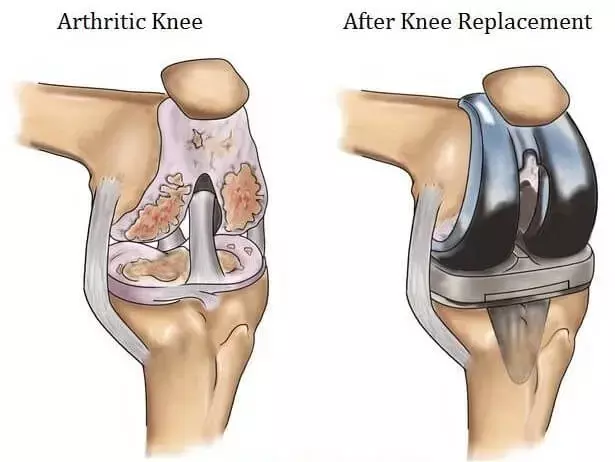
When arthritis, injury, or disease has worn down your cartilage, damaged your joint, and is causing consistent pain, a knee replacement can be the answer for you. With advanced technology, Dr. Nelson offers knee replacement surgery that can elevate your life and free you from the pain that a dysfunctional knee can bring.
There are two main approaches to knee replacement surgery. We don’t always need to replace the entire knee during a replacement surgery. If there are parts of the joint that are still functioning and the cartilage around them is whole, we will opt for a partial knee replacement. If the damage is extensive, we will recommend a total knee replacement.
Recovering from any surgery can sound difficult or feel daunting. Thankfully, Dr. Nelson’s robotic knee replacement surgery reduces the time of recovery, thanks to the precision of our advanced placement and surgical technology.
Dr. Nelson will use a computer program to plan in 3D where your new knee will be placed, and then he will use a robotic arm to help place the parts of the knee replacement.
During knee replacement, the damaged bone and cartilage of the knee are removed and resurfaced with metal and plastic implants. These components reconstruct the knee joint surfaces. To make space for the metal and plastic implants, bone needs to be cut and shaped in several places. Using the Stryker Mako robotic arm during knee replacement allows us to pre-plan your surgery on a 3D model and more precisely remove bone and cartilage.There are two main approaches to knee replacement surgery. We don’t always need to replace the entire knee during a replacement surgery. If there are parts of the joint that are still functioning and the cartilage around them is whole, we will opt for a partial knee replacement. If the damage is extensive, we will recommend a total knee replacement.
Understanding the Knee
The anatomy of the knee joint is divided into three main compartments:
- Medial: inside of the knee
- Lateral: outside of the knee
- Patellofemoral: front of the knee, behind the kneecap
During a replacement, we can replace one or all parts of the knee, depending on what has suffered damage. Whatever we replace we will make sure that it will work comfortably with the natural parts of the knee, and that you have cartilage to support a partial replacement.
Why Dr. Nelson Embraces Robotic Knee Surgery
The preparation of bone and position of the implants in knee replacement is really important. Well-positioned implants result in a knee replacement that feels better and more natural and is easier to recover from.
During a robotic knee replacement, we can see how the replaced knee joint will move on the computer, make adjustments as needed to the pre-plan to make sure the knee is properly balanced, and be confident in the end result before starting to make any bone incisions.
When Would I Need a Knee Replacement?
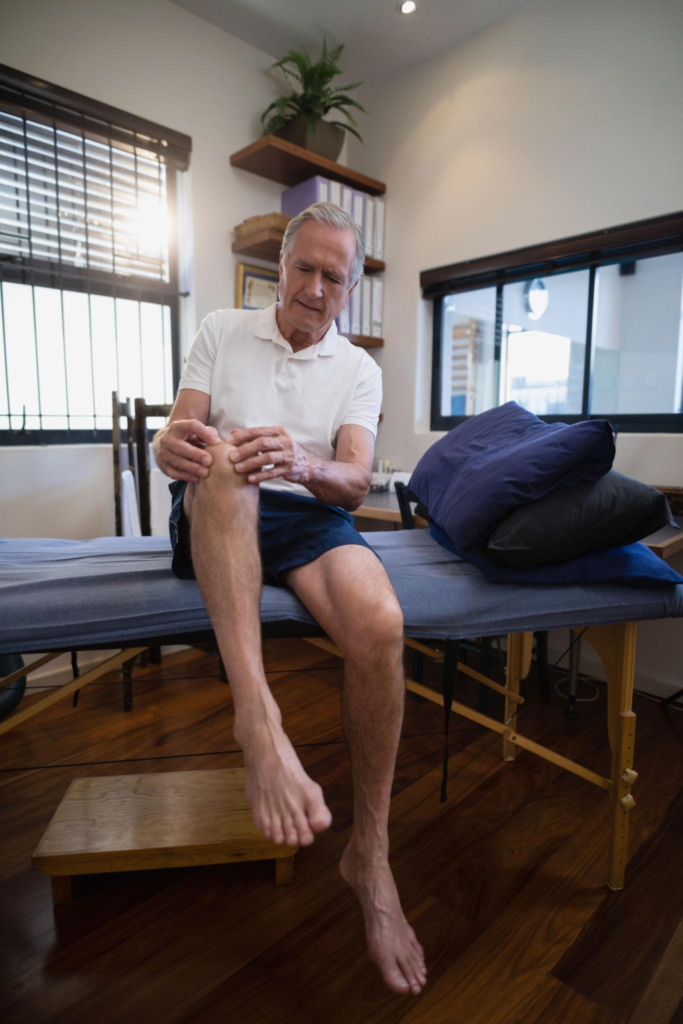
You might need a knee replacement when knee pain and stiffness significantly affect your quality of life and other treatments haven’t provided relief. This surgery is typically recommended for individuals with severe arthritis or joint damage that makes everyday activities, such as walking, climbing stairs, or even resting, extremely painful. If non-surgical treatments like medications, physical therapy, injections, or lifestyle changes no longer manage your pain effectively, a knee replacement could be the next step.
Other signs that you might need a knee replacement include:
- Chronic Pain: Persistent pain that affects your sleep or daily routine
- Limited Mobility: Difficulty bending or straightening your knee, causing a limp or making it hard to perform basic tasks
- Joint Deformity: Visible changes in your knee’s appearance, such as bowing or inward bending
- Failed Treatments: If you’ve tried medications, injections, or physical therapy without lasting relief
Dr. Nelson will carefully evaluate your condition and lifestyle to determine if knee replacement surgery is the best option to help you regain your mobility and enjoy life without pain.
Our Surgery Process with Computer Navigation
- Consultation
If you are wondering if you need a knee replacement you will come in for a consultation with Dr. Nelson. At that consultation, he will:
- Take scans of your knee
- Discuss already attempted treatments
- Give you an overview of the surgery
- Discuss the positives and negatives that come with knee replacement
He will then get you in touch with our scheduling team to find a time that works for you. You will need to take some time off of work after your surgery.
- Replacement Planning
Either at the consultation or after the consultation, we will take a CT scan of your leg. Using the information from this CT scan, a 3D model of the knee is made on which we can see the shape of the bones and bone spurs that need to be removed during the surgery. On this model, we can precisely position the knee replacement to resurface the knee and make up for any worn cartilage or bone.
- Day of Surgery
On the day of surgery, the navigation camera is shown a set of points on the knee which it matches to the 3D model. At that point, the robotic system knows where the knee is and can see how it moves as the knee is taken through a range of motion. The surgical plan can then be fine-tuned to make sure the ligaments around the knee are well balanced and then bone is removed.
We will place you under anesthesia before removing any damaged bone and placing your new knee!
When the surgeon is using the robotic arm to make bone cuts, the software sets up a safe boundary to protect the tissues around the knee to add an extra layer of safety. Trial implants are then placed to make sure the reconstructed knee will move well before placing the real implants.
You will stay at the hospital for at least a couple of hours or overnight depending on recovery concerns from your surgeon.
- Rehabilitation
The rehabilitation process after knee replacement surgery is vital to restoring mobility and strength. It typically begins within a day or two post-surgery, with gentle exercises guided by a physical therapist. Early movement helps prevent stiffness and promotes healing. Over the following weeks, you’ll work on increasing your range of motion, rebuilding muscle strength, and improving balance.
Your physical therapist will provide a personalized exercise plan to follow at home, ensuring steady progress. The full rehabilitation process can take several months, but most patients start to see significant improvements in mobility and pain relief within the first 6 to 12 weeks
Working With Your Body to Heal Your Knee Pain
Dr. Nelson works with your body to relieve pain and strengthen your knee. The materials that your new knee is made of mimic your bone and will be easily accepted by the surrounding bone and tissue.
Our robotic surgery embraces the 3-dimensional aspect of your body and the wonder of your joints to make it easier for your body to work through this new change.
Customizing Our Knee Surgery to You
Computer-planned and robotic surgery takes into account your unique body. We will have a different plan uploaded into our navigation software for each person Dr. Nelson sees. This means that our surgical approach is entirely custom, making it more comfortable and easier for your body to adapt to.
By customizing your placement surgery, we are offering better results and a surgery that is esaier to heal from.
Our Different Approaches to Knee Replacement
Partial Knee Replacement
If advanced arthritis is limited to a particular compartment, a partial knee replacement may be a good treatment option. During this procedure, only a portion of the knee joint is resurfaced.
Similar to a total knee replacement, the deteriorated cartilage at the ends of the bones is removed, and replaced with metal components that reconstruct the knee joint surfaces. These metal components are typically cemented into the bone. Only the compartment with advanced arthritis is resurfaced with the metal implants, and the healthy cartilage and bone of the other compartments are preserved.
Total Knee Replacement
With this procedure, the damaged bone and cartilage of the knee are removed and replaced with metal and plastic implants. These metal components reconstruct the knee joint surfaces and are either cemented or press-fit into the bone depending on bone quality and strength. A dense plastic component is placed in between the new metal resurfacings, which mimics the ball part of the knee joint.
Bone spurs along the edge of the patella (kneecap) are also trimmed, and the patella is kept intact if possible. When necessary, the kneecap is also resurfaced.
Muscle- and Tendon-Sparing Knee Replacement
When arthritis, injury, or disease has damaged the knee and everyday activities have become painful, knee replacement may provide a path back to greater mobility. Dr. Nelson takes a modern, minimally invasive approach to knee replacement that focuses on preserving the muscles, tendons, and healthy tissues surrounding the knee whenever possible. Combined with advanced robotic-assisted technology and personalized surgical planning, this muscle- and tendon-sparing approach allows each procedure to be tailored to the patient’s unique anatomy.
A Minimally Invasive Approach
Every knee is different, which is why Dr. Nelson tailors the procedure to each patient’s anatomy and individual needs. His minimally invasive approach focuses on limiting unnecessary disruption to the muscles, tendons, and other healthy tissues surrounding the joint.
When appropriate, this muscle- and tendon-sparing technique may offer several advantages, including:
- Less disruption to the muscles and tendons surrounding the knee
- Preservation of healthy soft tissue whenever possible
- A more targeted surgical approach
- Support for early mobility and rehabilitation
- A surgical plan customized to the patient’s unique anatomy
Dr. Nelson combines these tissue-preserving techniques with advanced surgical planning and robotic-assisted technology to provide a modern, personalized approach to knee replacement.
Precision Without Sacrificing Healthy Tissue
The goal of knee replacement is not simply to replace damaged portions of the joint. Dr. Nelson’s approach also emphasizes preserving the healthy structures surrounding the knee whenever possible.
By combining minimally invasive surgical techniques with precise planning, Dr. Nelson can address damaged bone and cartilage while working to minimize unnecessary trauma to the surrounding muscles and tendons.
Not every patient or knee condition is the same. During your evaluation, Dr. Nelson will determine the surgical approach that is most appropriate for your anatomy, condition, and goals.
The Benefits of Knee Replacement Surgery
Knee replacement surgery can be life-changing for those struggling with chronic knee pain and limited mobility. Here are some of the key benefits:
One of the most immediate benefits of knee replacement surgery is the reduction or elimination of pain. Many patients experience relief from the constant pain caused by arthritis or joint damage, allowing them to enjoy everyday activities without significant discomfort.
Knee replacement can restore movement and flexibility, making it easier to perform activities like walking, climbing stairs, and even exercising. This improved mobility can greatly enhance your independence and overall quality of life.
Modern knee implants are designed to be durable and can last 20–30 years or more with proper care. This means that for most patients, knee replacement offers a long-term solution that reduces the need for further treatments.
By relieving pain and restoring function, knee replacement surgery can help you return to the activities you love, whether it’s spending time with family, engaging in hobbies, or being more active. Many patients find that they can enjoy a more fulfilling and pain-free lifestyle after surgery.
Chronic knee pain can make it difficult to sleep, leading to fatigue and other health issues. With a successful knee replacement, you’re more likely to experience better sleep, improved energy levels, and an overall boost in your well-being.
Knee replacement surgery is a highly effective solution for those struggling with knee pain, helping you regain control over your life and enjoy a more active, pain-free future.

Our Advanced Robotic Knee Replacement Techniques
Dr. Nelson uses advanced technology to perform knee replacement surgeries with exceptional precision. The Mako system creates a detailed 3D model of your knee, allowing Dr. Nelson to plan the surgery meticulously and achieve optimal implant positioning tailored to your specific anatomy.
This technology-guided approach ensures a customized fit and enhances accuracy, helping to reduce recovery times and improve long-term outcomes. With Dr. Nelson’s expertise and the support of cutting-edge technology, patients can expect a smoother experience and an excellent standard of care for knee joint replacements.
Recovery After a Knee Replacement Surgery
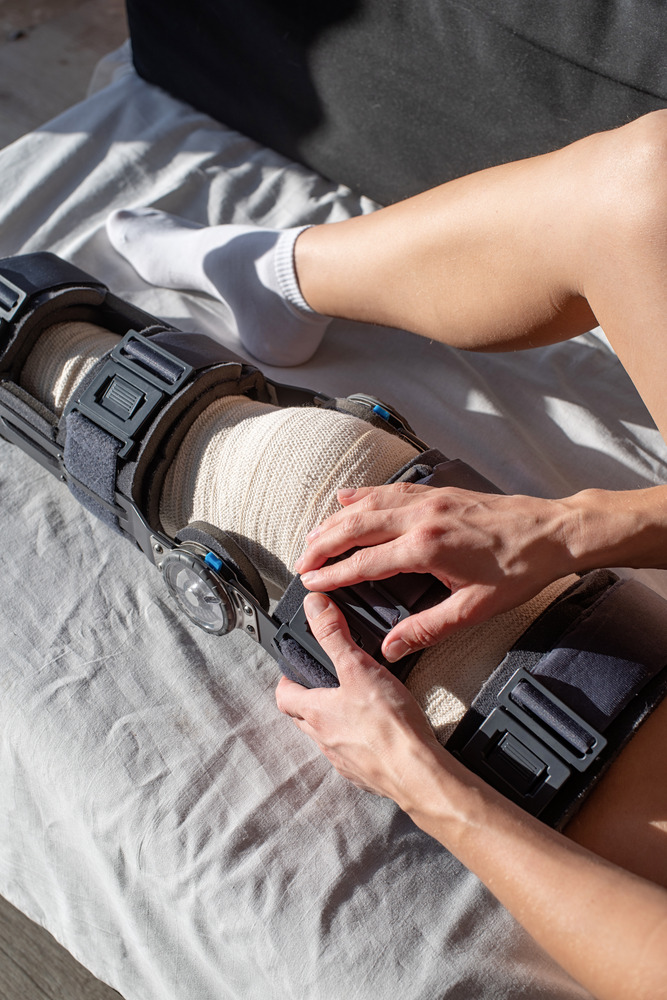
Recovery after knee replacement surgery requires patience and rest to ensure the best outcome. You’ll need to spend some time on bed rest immediately following the procedure to allow your knee to begin healing.
Most patients start moving with assistance the same day of surgery, but it’s essential to take it easy and avoid overexertion. Plan to take time off work if you are still working.
Physical therapy will be a crucial part of your rehabilitation, helping you regain strength and mobility as you gradually return to your normal activities.

Dr. Nelson’s Training in Robotic Surgeries
Dr. Nelson spent his fellowship training at the highly-regarded Anderson Orthopedic Research Institute, which emphasizes embracing new technologies to improve patient outcomes. He was trained in robotic surgeries during his fellowship and is a member of several orthopedic surgical academies, which helps him stay up to date with new technology and the latest safety protocols.
With Dr. Nelson on your team, you can rest assured knowing that you are receiving medical care that is safe and effective.
Discover Advanced Knee Replacement Solutions
Combining cutting-edge technology with compassionate care, Joseph Nelson, MD, provides exceptional treatment tailored to your needs. Located in Gilbert, Arizona, he is dedicated to helping you regain mobility and live without knee pain. Fill out our evaluation form to get started, and our team will reach out to schedule your consultation. Experience the difference personalized care can make in your journey to a healthier, pain-free life.